
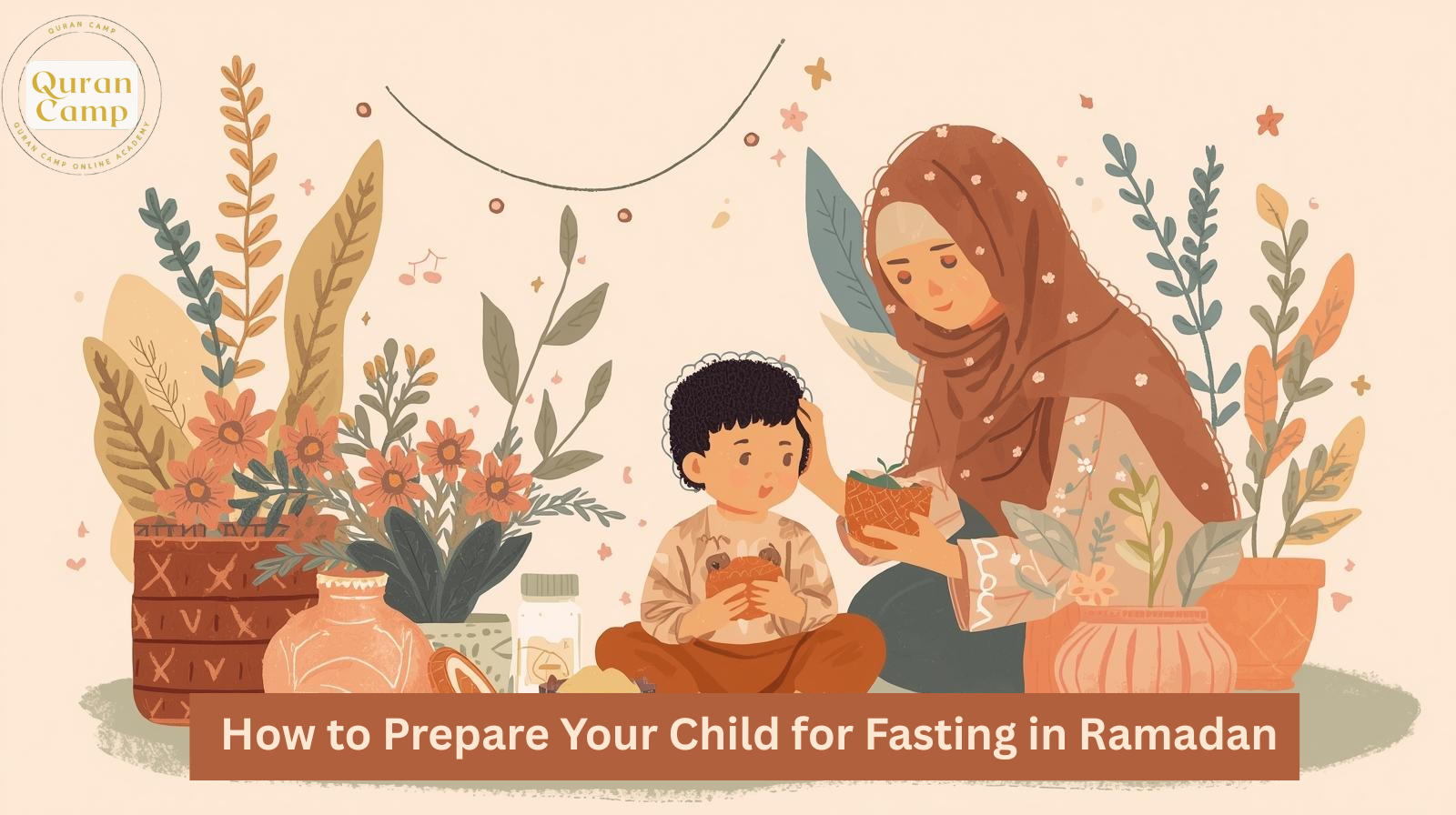
How to Prepare Your Child for Fasting in Ramadan — A Complete Parent’s Guide
Ramadan is a beautiful opportunity for families to nurture faith, discipline, and spiritual growth. Many parents wonder: How can I help my child learn to fast? and What is the right age to start?
The truth is, preparing children for fasting is not about a specific age — it’s about gradual training, encouragement, and creating a positive spiritual experience. Here is a practical, parent-friendly guide to help your child get ready for fasting in Ramadan in a healthy and joyful way.
When Should Children Start Fasting?
There is no fixed age when fasting becomes obligatory for children. Islamic teaching emphasizes that fasting is required only after puberty. However, parents are encouraged to prepare children gradually from around ages 6–7, depending on their health and ability.
The goal is not full fasting immediately — it is building the habit gently so fasting feels natural when it becomes obligatory later.
Gradual Training Is the Key
The best way to teach a child fasting is step-by-step:
• Start during shorter winter days rather than long summer days.
• Let the child fast for a few hours first.
• Increase the time gradually — for example:
• First day: until noon
• Next time: until afternoon
• Later: until Maghrib
Slow progress helps the child succeed and feel proud.
Start with Partial Fasting
At first, you can allow small adjustments such as:
• Avoiding food but allowing water
• Fasting only from breakfast until lunch
This builds confidence without physical strain.
Explain the Meaning of Fasting
Children are more motivated when they understand why they are fasting.
Explain in simple language:
• Fasting brings us closer to Allah
• It teaches patience and self-control
• It helps us feel for the poor
• It can be healthy when done properly
When children understand the purpose, they fast with love, not pressure.
The Importance of Suhoor for Kids
Encourage your child to eat suhoor and delay it as much as possible before Fajr. A healthy suhoor should be:
• Light, not heavy
• Low in salt
• Balanced with:
• Protein (eggs, yogurt, beans)
• Carbohydrates (bread, oats)
• Fruits and vitamins
• Natural sugars
Hydration is essential — make sure they drink enough water and milk.
Encourage and Praise Your Child
Positive reinforcement works wonders.
• Praise them in front of family members
• Celebrate their effort, not perfection
• Let them help prepare iftar
• Allow them to break the fast first as a special honor
These small gestures make fasting feel exciting and meaningful.
Avoid Punishment or Pressure
Children are practicing fasting before it is required, so the experience should always be gentle and encouraging.
Never punish a child for not completing a fast. Fear and pressure can create negative feelings toward worship, while kindness builds love for it.
Protect Their Energy
Make sure your child:
• Avoids intense physical activity while fasting
• Stays out of direct sun for long periods
• Gets enough rest
Health always comes first.
Healthy Way to Break the Fast
Teach your child the Sunnah method of breaking the fast:
- Start with dates and water or a light drink
- Pray Maghrib
- Return to eat a balanced meal
- Offer fruits and fluids gradually between iftar and suhoor
This prevents stomach discomfort and keeps energy steady.
Final Thoughts
Preparing your child for fasting in Ramadan is not about strict rules — it’s about love, patience, and gradual growth. When fasting is introduced gently, children associate it with warmth, family bonding, and spiritual joy.
Dua:
O Allah, allow us and our children to reach Ramadan and help us fast it in a way that pleases You.

You may also like

Secrets of prayer 7:The Deep Meaning of Surah Al-Fatiha