
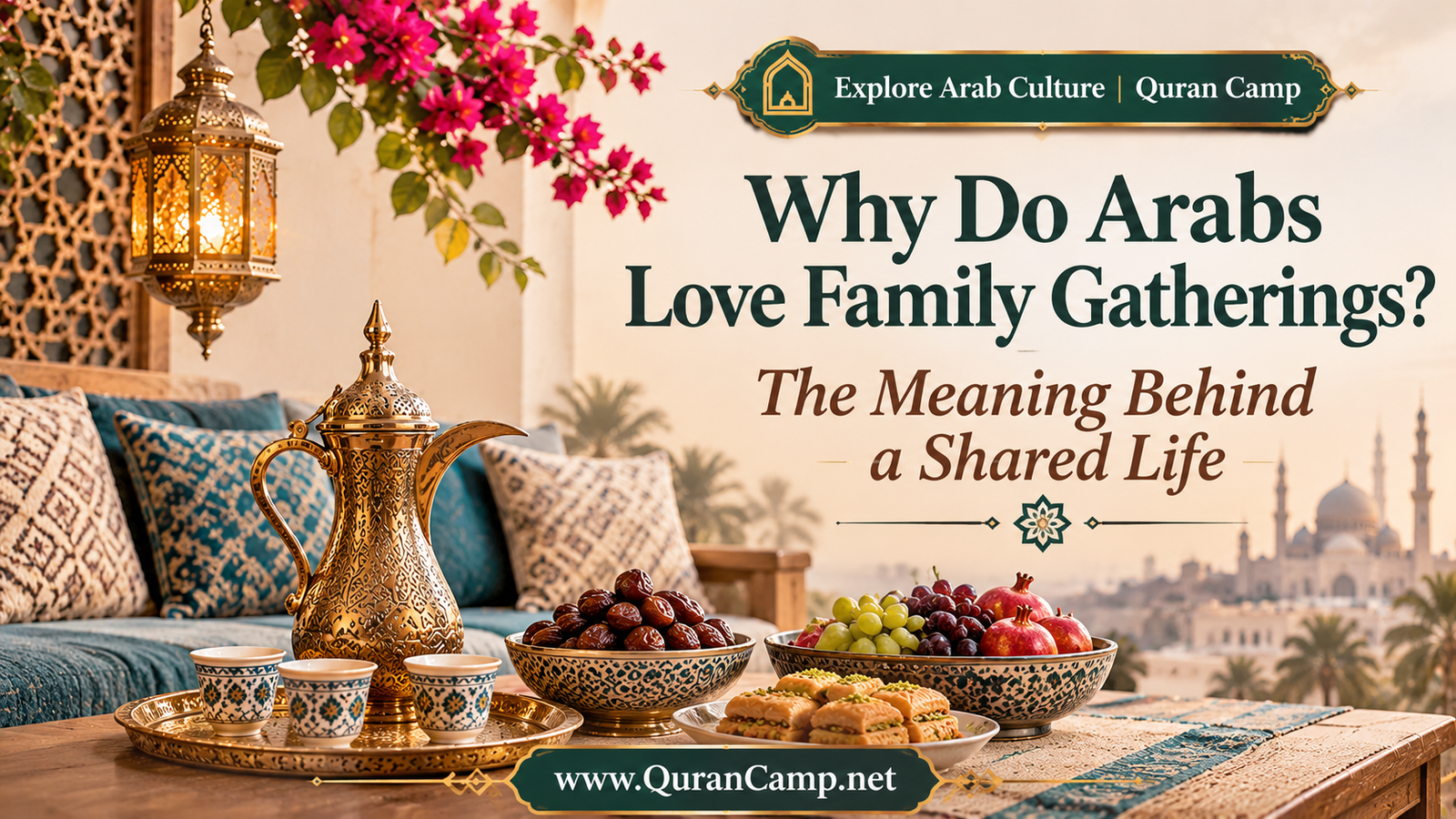
Why Do Arabs Love Family Gatherings? The Meaning Behind a Shared Life
In many Arab homes, a family gathering is never just a meeting. It is a chance to share stories, enjoy a meal, laugh together, and ask about the people we love.
On weekends, holidays, or even an ordinary evening, relatives may come together around one table. Children play, adults talk, and someone is usually busy preparing tea or coffee.
But why are family gatherings so important in Arab culture? The answer goes beyond spending time together. They reflect values that have been passed from one generation to another.
1. Family Is More Than Parents and Children
In many Arab communities, the word “family” includes more than the people living in the same house.
Grandparents, uncles, aunts, cousins, and other relatives often remain an important part of everyday life.
Children may grow up seeing their cousins almost like brothers and sisters. Grandparents often play a special role in family life, sharing memories, advice, and stories from the past.
This close connection helps family members feel that they belong to something bigger than themselves.
2. The Family Table Brings Everyone Together
Food has a special place in Arab family gatherings.
A visit may begin with tea or coffee, followed by a meal prepared for everyone. Sometimes the table is filled with several dishes, fresh bread, salads, rice, and traditional food.
In many homes, people enjoy sharing dishes rather than eating separately. Everyone gathers around the table, talks, and makes sure that guests have enough to eat.
The meal becomes more than food. It creates an opportunity to reconnect and enjoy each other’s company.
3. Visiting Relatives Is Part of Everyday Life
In some Arab families, visiting relatives does not always require a special occasion.
A person may visit a parent, call an aunt, or stop by a relative’s home simply to say hello.
These visits help family members stay connected, especially when they live in different homes or neighborhoods.
Of course, habits differ between families and countries. Some people visit frequently, while others arrange visits around weekends and holidays.
What matters is keeping the relationship alive.
4. Grandparents Keep Family Stories Alive
Ask an older family member about childhood, old neighborhoods, or family traditions, and you may discover stories you have never heard before.
Grandparents often become the storytellers of the family. They share memories of earlier times, explain old customs, and tell children about relatives they may never have met.
Through these conversations, younger generations learn about their family history and the experiences of those who came before them.
A simple story told over a cup of tea can become a memory that stays with a child for years.
5. Children Learn Family Values Through Experience
Children do not learn everything from books or lessons. They also learn by watching the people around them.
During family gatherings, they may learn how to greet older relatives, welcome visitors, share food, help younger children, and show kindness.
They also discover that relationships need attention. Calling someone, asking about their health, or visiting them can make a real difference.
These small actions help children understand the importance of care, respect, and responsibility.
6. Ramadan and Eid Bring Families Even Closer
Ramadan and Eid are special times for family gatherings in many Arab countries.
During Ramadan, relatives may meet for Iftar, the meal that breaks the fast at sunset. Families prepare food, welcome guests, and enjoy the evening together.
On Eid, people often visit parents and relatives, exchange greetings, share sweets, and spend time with children.
For many people, these occasions are connected to childhood memories: the smell of home-cooked food, the excitement of new clothes, and the joy of seeing relatives again.
7. Family Gatherings Are Changing, but Their Meaning Remains
Modern life has changed the way many families spend time together.
Work, school, travel, and busy schedules can make frequent visits difficult. Some relatives live in different cities or countries.
Technology has also created new ways to stay connected. Families use video calls and messaging groups to share news, pictures, and everyday moments.
Although the way people communicate has changed, the desire to stay close to loved ones remains important.
A phone call, a shared meal, or a planned family visit can all help maintain strong relationships.
8. An Arabic Expression That Reflects Family Connections
There is a beautiful Arabic expression connected to maintaining family relationships:
Silat ar-Rahim (صلة الرحم)
It refers to keeping good relationships with relatives through visits, communication, kindness, and support.
This value has an important place in Islamic teachings. Muslims are encouraged to treat relatives well and maintain family ties.
It is not always about large gatherings or expensive gifts. Sometimes, a simple phone call or asking about someone who needs support is enough to show care.
More Than a Gathering
Family gatherings are an important part of life for many Arab families because they create moments of connection that everyday routines can easily take away.
They bring different generations together, keep family stories alive, and give children a sense of belonging.
Every family has its own traditions, and not all Arab households are the same. Yet in many homes, the happiness of seeing loved ones, sharing a meal, and hearing familiar voices remains something special.
Perhaps the real beauty of a family gathering is simple: people make time for one another.
Discover More About Arab Culture with Quran Camp
At Quran Camp, we believe that learning Arabic is also a way to discover the culture, values, and traditions connected to the language.
Explore more articles in our Explore Arab Culture series and discover the beauty of Arab life and heritage.

You may also like